Material Spotlight: Mass Timber
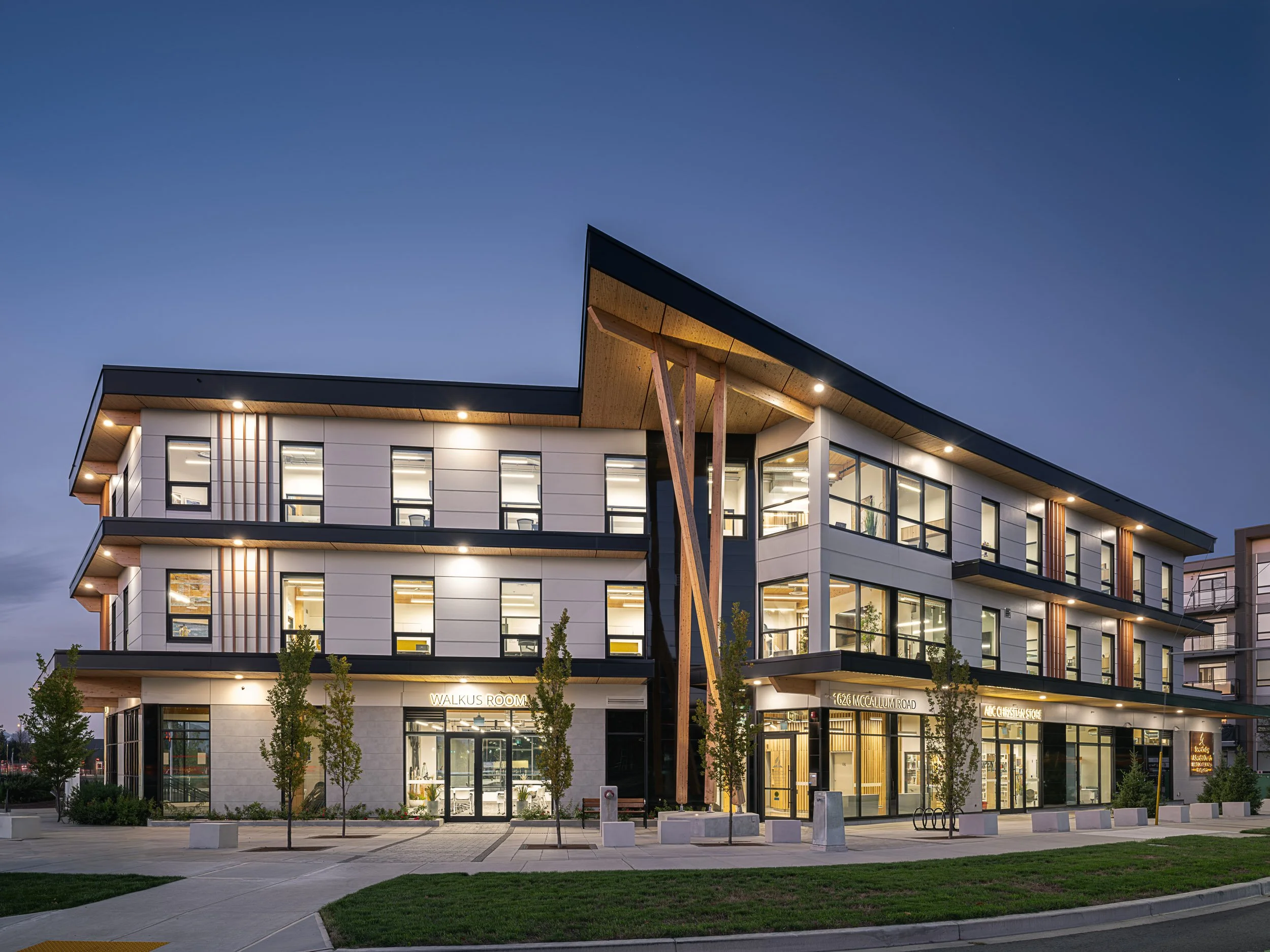
Across British Columbia, mass timber projects are reshaping the architectural landscape and demonstrating what’s possible with sustainable construction. As this movement continues to grow, Site Lines Architecture is embracing mass timber as part of our commitment to thoughtful, high-performance design.
More than just a construction trend, mass timber represents a shift in how we think about buildings, from how they are constructed to how they impact the environment and the people who use them. Combining sustainability, efficiency, and modern design flexibility, mass timber is helping shape the future of Canadian architecture.
At Site Lines Architecture, we see mass timber as an opportunity to create spaces that are not only visually compelling and functional, but also healthier for communities and more responsible for the planet.
What is Mass Timber?
Mass timber refers to a category of engineered wood products designed to create strong structural building systems. Unlike traditional wood framing, mass timber panels and beams are manufactured by layering and bonding wood together to form larger structural elements.
Products like cross-laminated timber (CLT) and dowel laminated timber (DLT) allow wood to perform at a scale once reserved for concrete and steel. The result is a material that is durable, efficient, and capable of supporting everything from schools and offices to multi-storey residential and civic buildings.
What makes mass timber especially exciting is its ability to combine natural warmth with modern performance. It brings together sustainability, structural innovation, and architectural flexibility in a way few materials can.
The Ultimate Sustainability Win
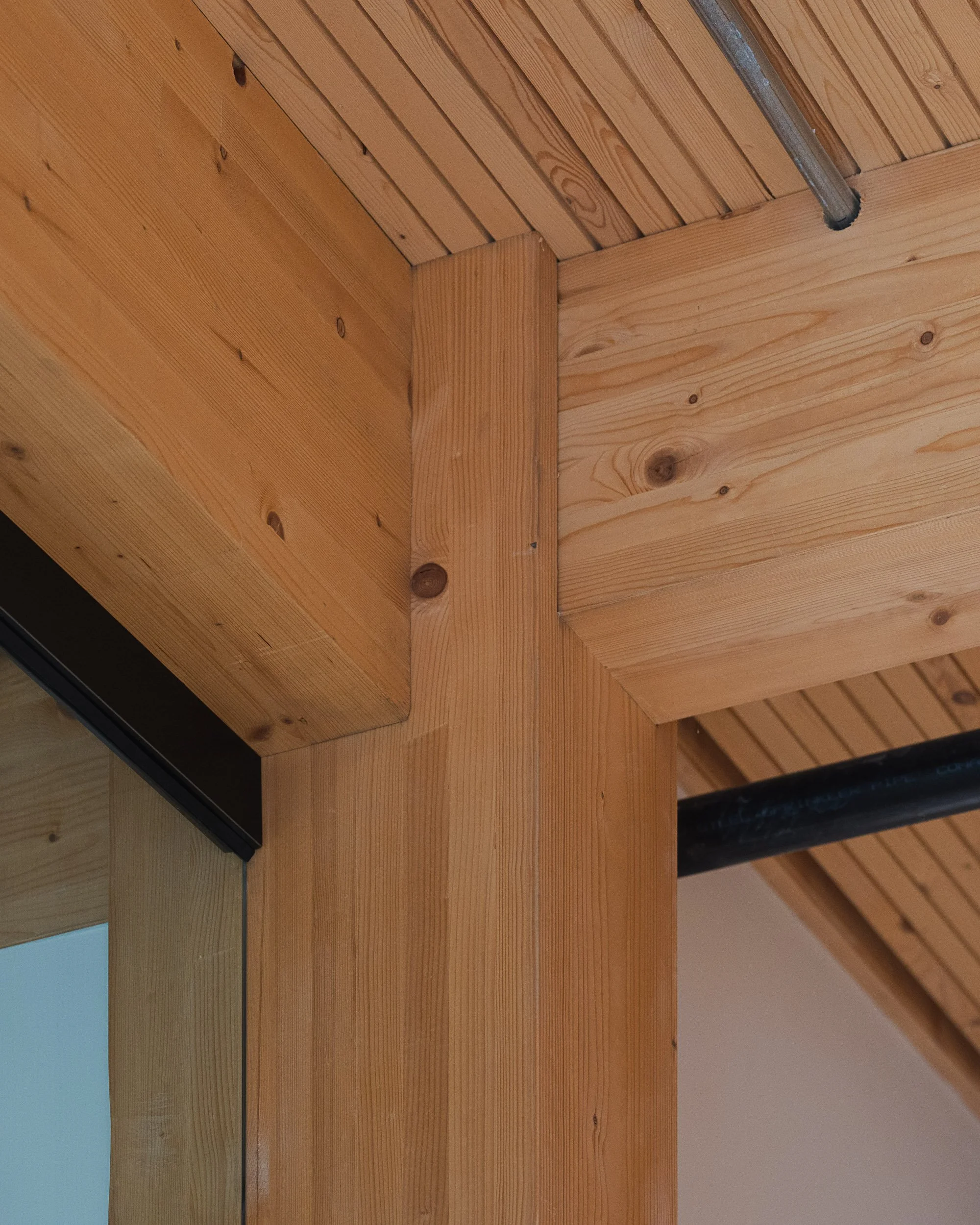
Mass timber is a powerhouse for reducing embodied carbon. By swapping concrete for wood, we turn buildings into carbon sinks. This shift directly supports the BC economy by prioritizing local materials sourced from our own backyard.
Speed and Precision via Prefabrication
One of the biggest advantages of mass timber is how efficiently projects can come together on site.
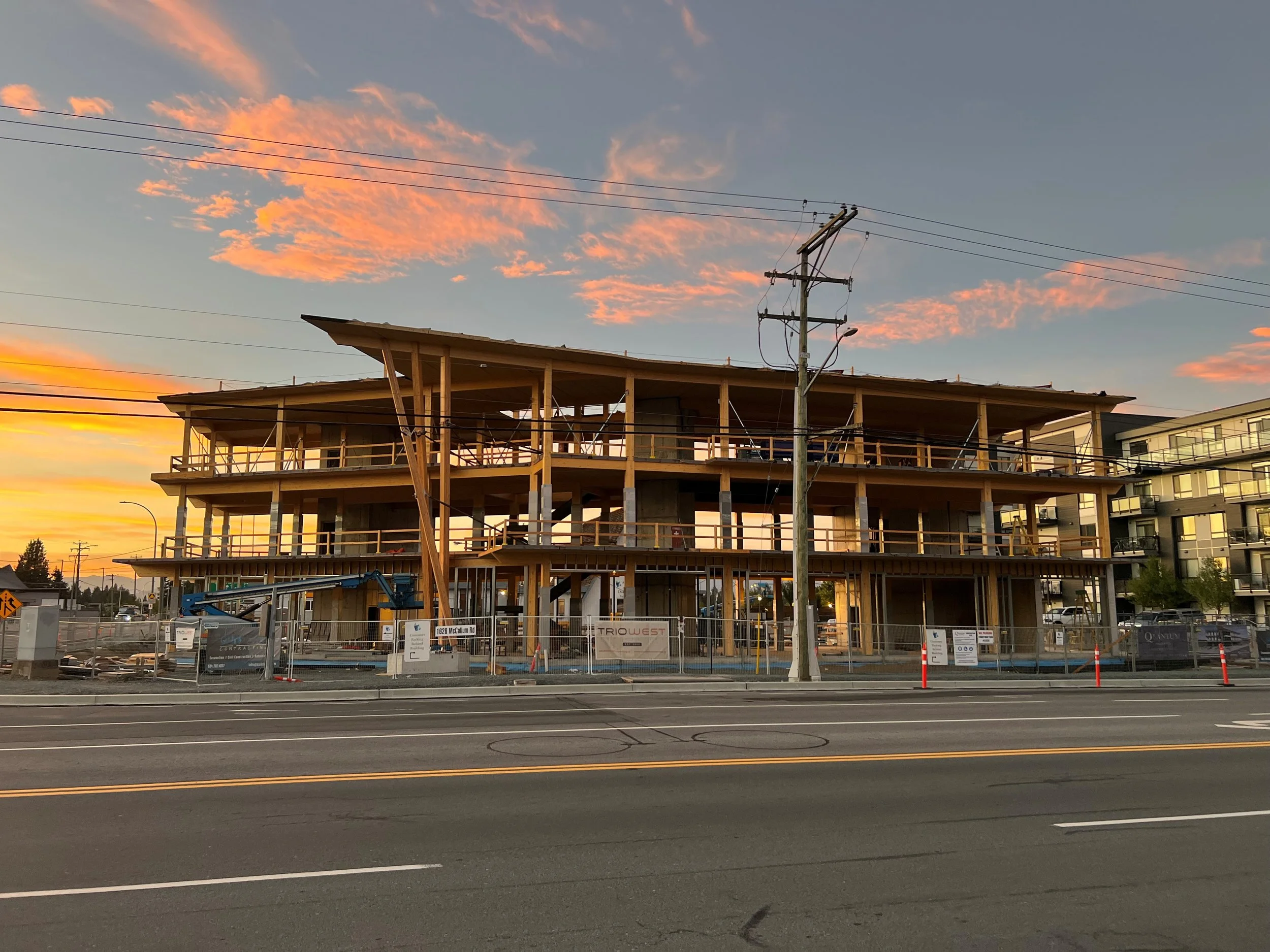
Using a digital-first design process, structural components are manufactured off-site with exceptional precision before being delivered ready for installation. Instead of traditional construction methods that rely heavily on cutting and fabrication in the field, many mass timber buildings are assembled more like a kit of parts.
This prefabrication approach can shorten construction schedules, reduce material waste, minimize site disruption, and improve overall quality control. For clients, that often translates to greater efficiency and a smoother construction process.
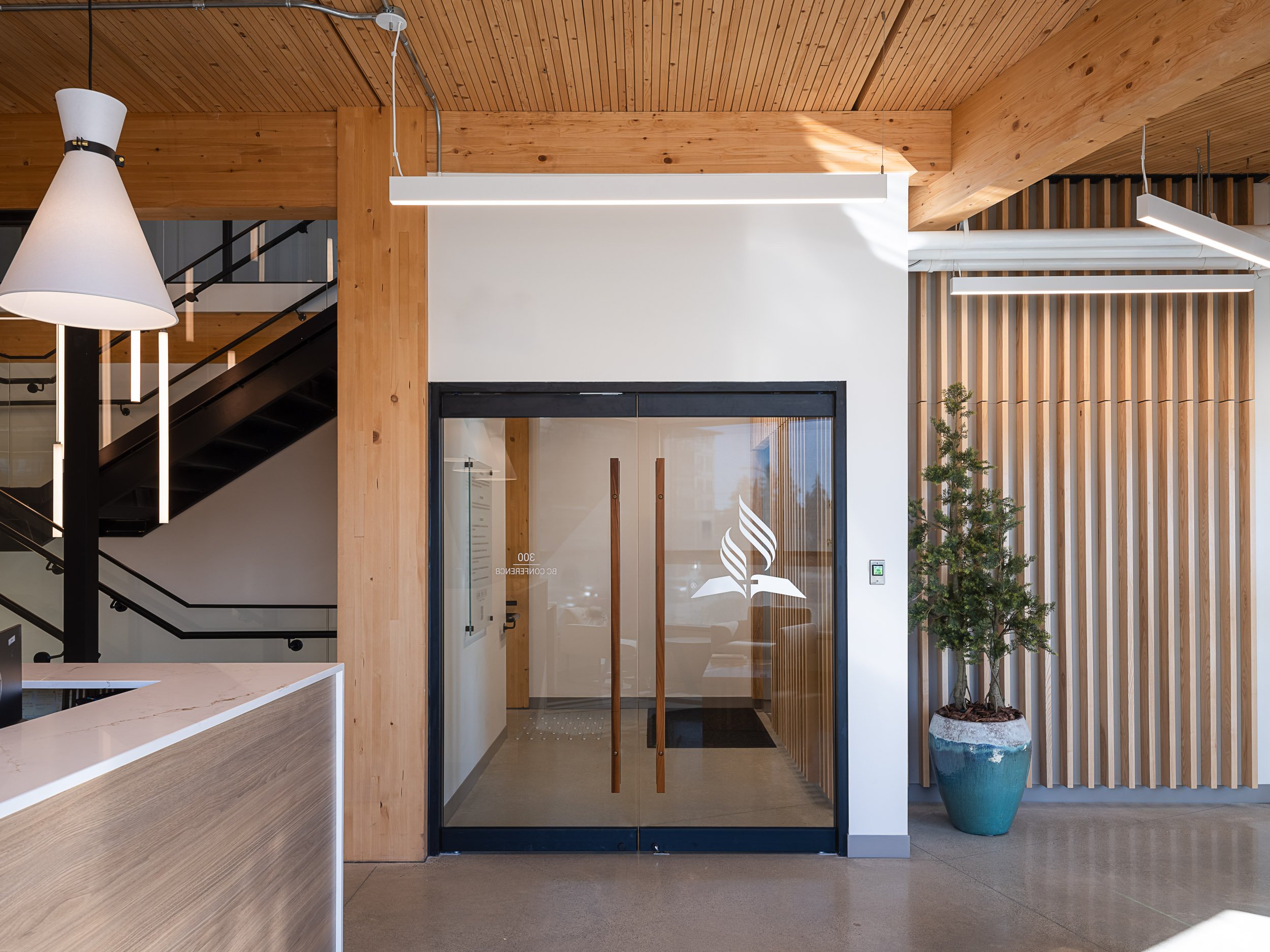
The Aesthetic of Exposed Structure
One of the most compelling aspects of mass timber is that the structure itself often becomes part of the finished architecture.
Recent updates to the National Building Code of Canada have expanded opportunities for taller and more advanced wood buildings, allowing designers to celebrate exposed timber in new ways. The natural texture and warmth of wood create inviting spaces that feel comfortable, calming, and connected to nature.
This connection to natural materials is often referred to as biophilic design and has been shown to improve how people experience buildings, particularly in schools, workplaces, libraries, and community spaces.
Mass timber also opens the door to expressive architectural forms. Whether paired with steel, concrete, or glass in hybrid systems, it allows architects to push design further while maintaining a strong focus on sustainability and human experience.
Looking Ahead and Local Collaboration
Mass timber is changing the conversation around what modern buildings can be. It offers a rare combination of sustainability, efficiency, structural performance, and timeless design.
Innovation doesn't happen in a vacuum. We collaborate with world-class local partners like StructureCraft and Fast + Epp to bring these structures to life.
At Site Lines Architecture, we’re continuing to explore how mass timber can shape the future of architecture across British Columbia, creating spaces that are innovative, resilient, and built with long-term impact in mind.
Featured Projects
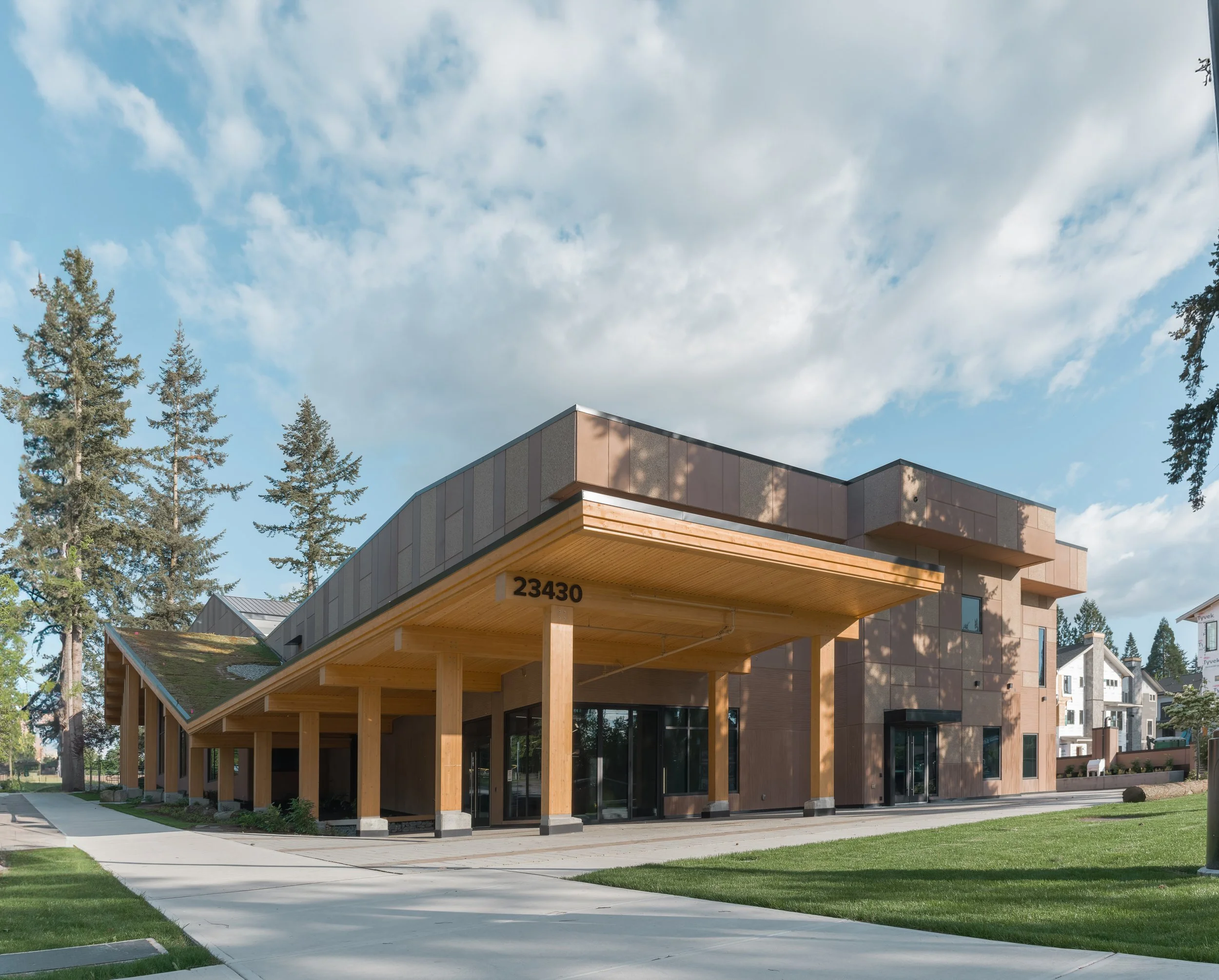
salishan Place by the River: Showcasing a CLT canopy and green roof supported by Douglas Fir glue-laminated timber columns and beams.
Seventh Day Adventist B.C. & Yukon Headquarters: Showcasing the integration of timber in modern industrial-commercial design (pictured above).
Northside Community Centre: A hub that utilizes wood to create a warm, inviting civic atmosphere (pictured below).
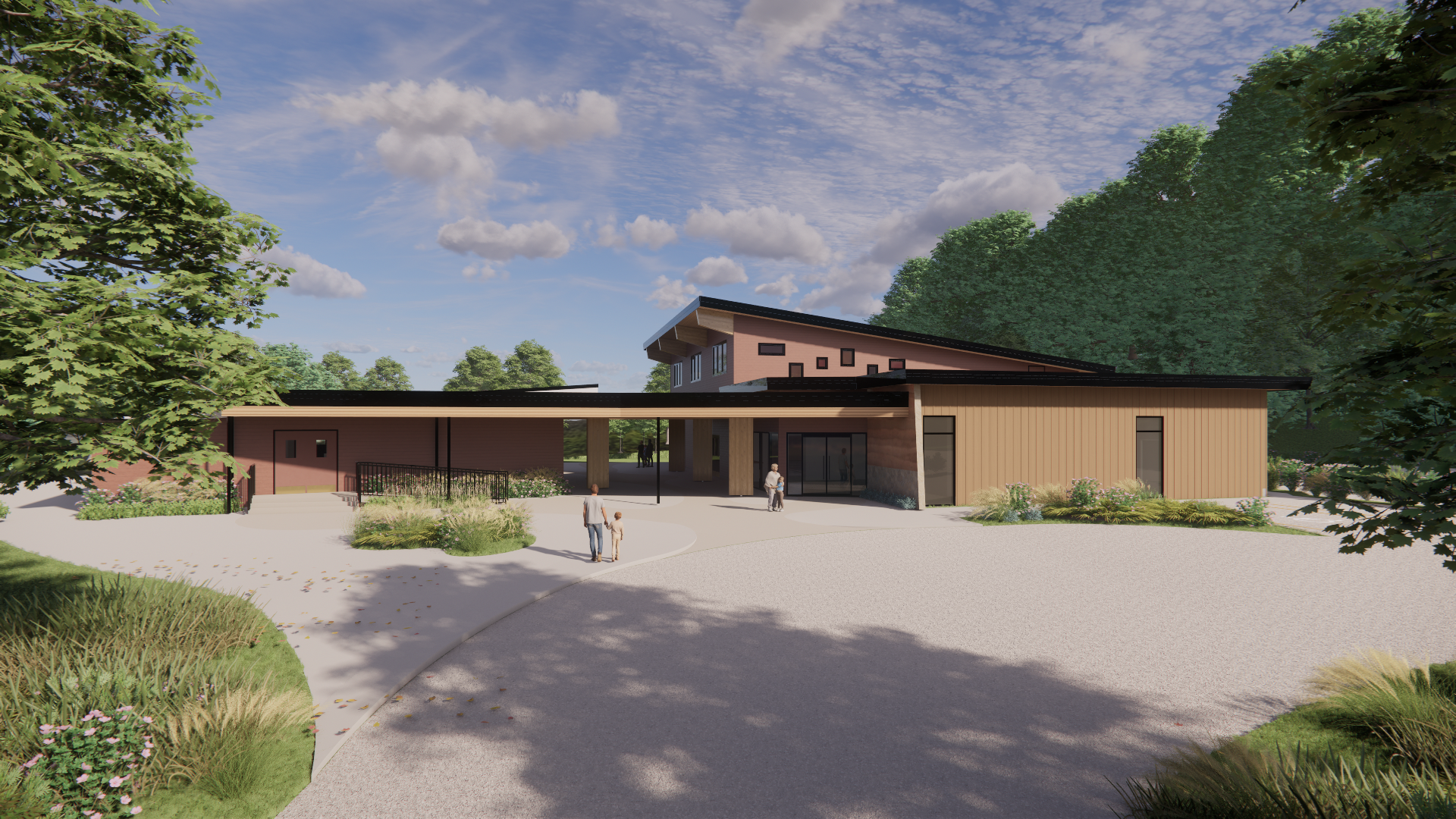
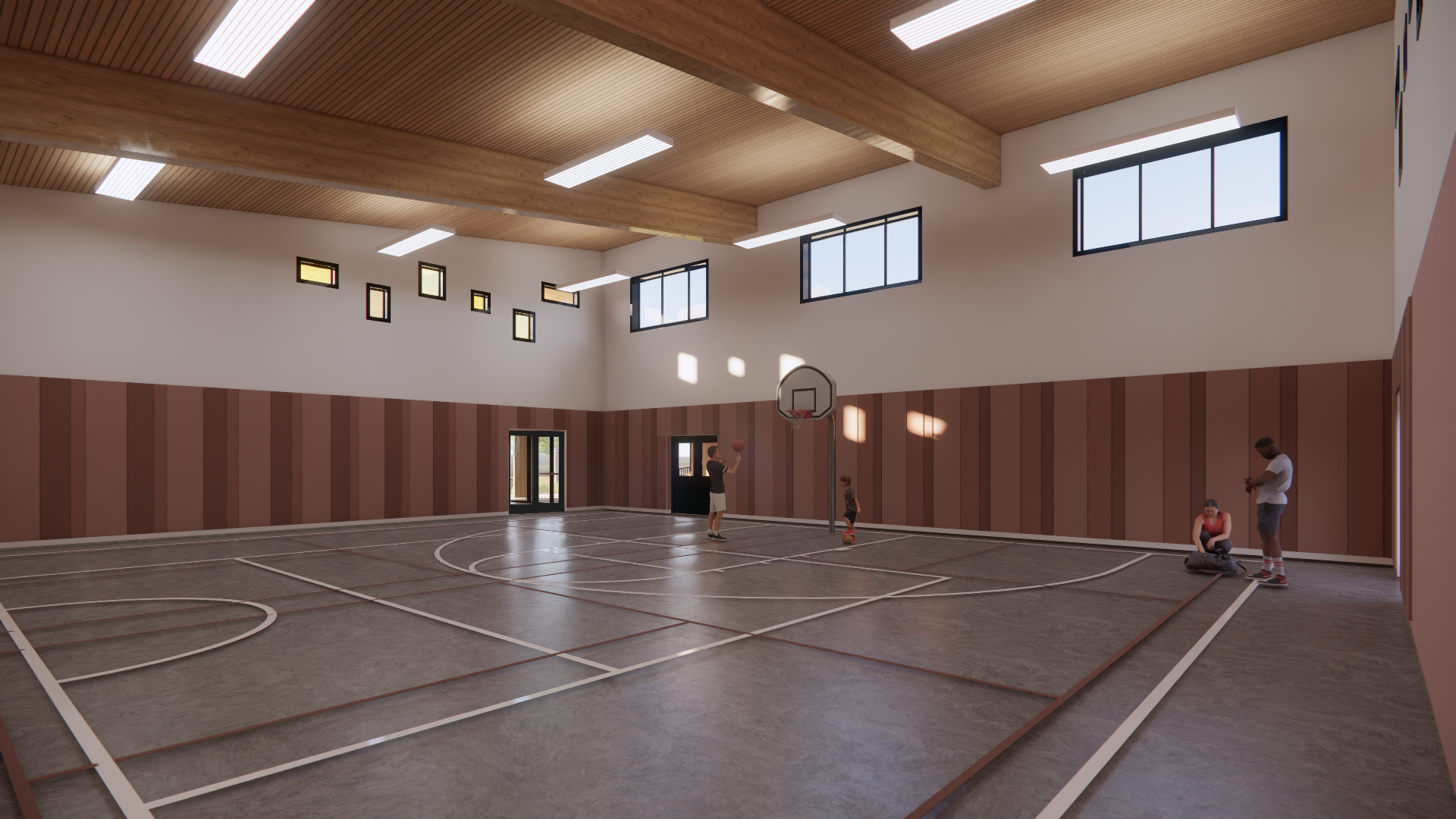
At Site Lines Architecture, we’re excited about the future of mass timber and the opportunities it creates for more sustainable, efficient, and inspiring spaces. Whether you’re planning a commercial project, community space, or custom development, our team is here to help bring your vision to life.